

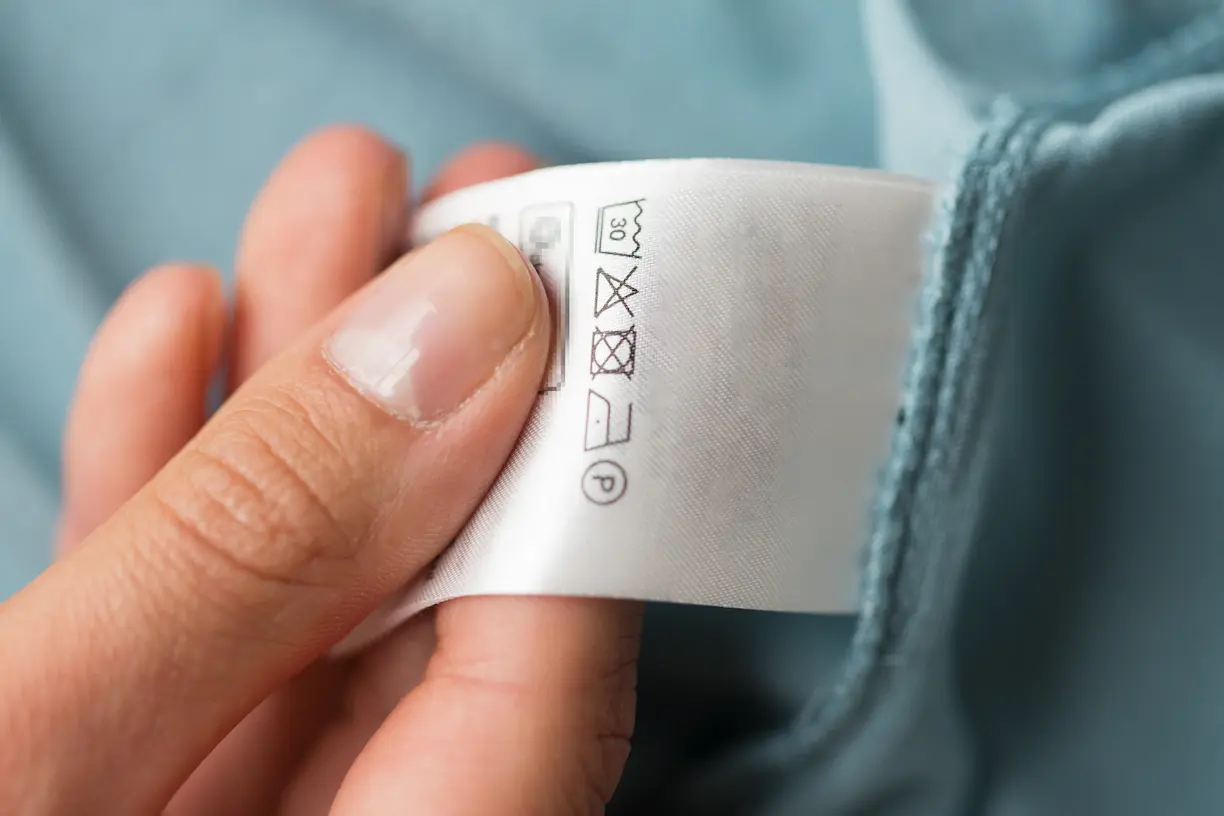
Summary:
OEKO-TEX Standard 100 means a certification confirming a finished textile has been lab-tested and found free of harmful substances above defined limit values, not an organic, sustainability, or labor certification. Certificates are issued per article, valid for one year, and verifiable through OEKO-TEX’s public database. This guide covers what it tests, the four product classes, and exactly what a brand may legally claim from it.
The Logo Everyone Recognizes, and Almost Nobody Reads Correctly
You’ve seen the green-and-white “CONFIDENCE IN TEXTILES” logo on a hang tag and probably assumed it meant the shirt was organic, or sustainable, or made under fair labor conditions.
That’s a reasonable guess. It’s also wrong, and it’s the single most common misread in apparel marketing today.
OEKO-TEX Standard 100 certifies one thing: that a finished textile has been laboratory-tested and found free of harmful substances above defined limit values. Nothing about organic content. Nothing about carbon footprint. Nothing about how the people who made it were treated.
Brands that blur that line aren’t stretching the truth by accident; they’re creating real greenwashing exposure. At Affix Apparel, we display the OEKO-TEX mark on our own site, so this isn’t outside commentary. Here’s what the standard actually covers, what it doesn’t, and how to verify a certificate instead of trusting a logo.
OEKO-TEX Standard 100 Meaning, in One Paragraph
OEKO-TEX Standard 100 means, precisely: a finished textile product, fabric, thread, buttons, zippers, prints, and coatings included, has been tested against a catalogue of over 1,000 potentially harmful substances by an independent, accredited institute and found within safe limit values for its intended use.
Certificates are issued for one year at a time, scoped to specific certified articles from a specific manufacturer. It is not an organic label, a sustainability rating, or a labor standard, a distinction worth repeating because it’s the exact point most retail copy glosses over.
What Does OEKO-TEX Certify, Exactly?
OEKO-TEX is the trading name of an association of independent, accredited textile testing institutes, not a single lab, and not a government body. The standard tests finished products against regulated and unregulated substances that could pose a health risk, at every stage from yarn to finished garment.
Azo Dyes
Certain azo dyes break down into aromatic amines, some of which are known or suspected carcinogens. Standard 100 requires these to be effectively undetectable, and this is one of the few limit values that doesn’t loosen across product classes, the health risk doesn’t scale down just because a garment touches less skin.
Formaldehyde
Formaldehyde shows up in some wrinkle-resistant and easy-care finishes and is a known skin and respiratory irritant. Limit values step down sharply by product class, the tightest for baby items and more permissive for outerwear or home decor.
Heavy Metals
Lead, cadmium, nickel, chromium (particularly hexavalent chromium), arsenic, and mercury are tested, often tracing back to dyes, pigments, or metal trims like zippers and snaps.
Pesticides, Phthalates, and PFAS
Residual pesticides from conventional cotton growing, plasticizers used in printed designs, and water-repellent “forever chemicals” are all screened, whether or not local law currently regulates them.
Beyond What’s Legally Required
The criteria catalogue includes substances that aren’t yet legally regulated anywhere, based on current toxicological research, and it’s updated at least once a year to reflect new findings. This is exactly why certification isn’t a one-time badge, a certificate earned three years ago under an older criteria catalogue doesn’t guarantee compliance with today’s standard.
The Four Product Classes | Why the Class Matters More Than the Logo
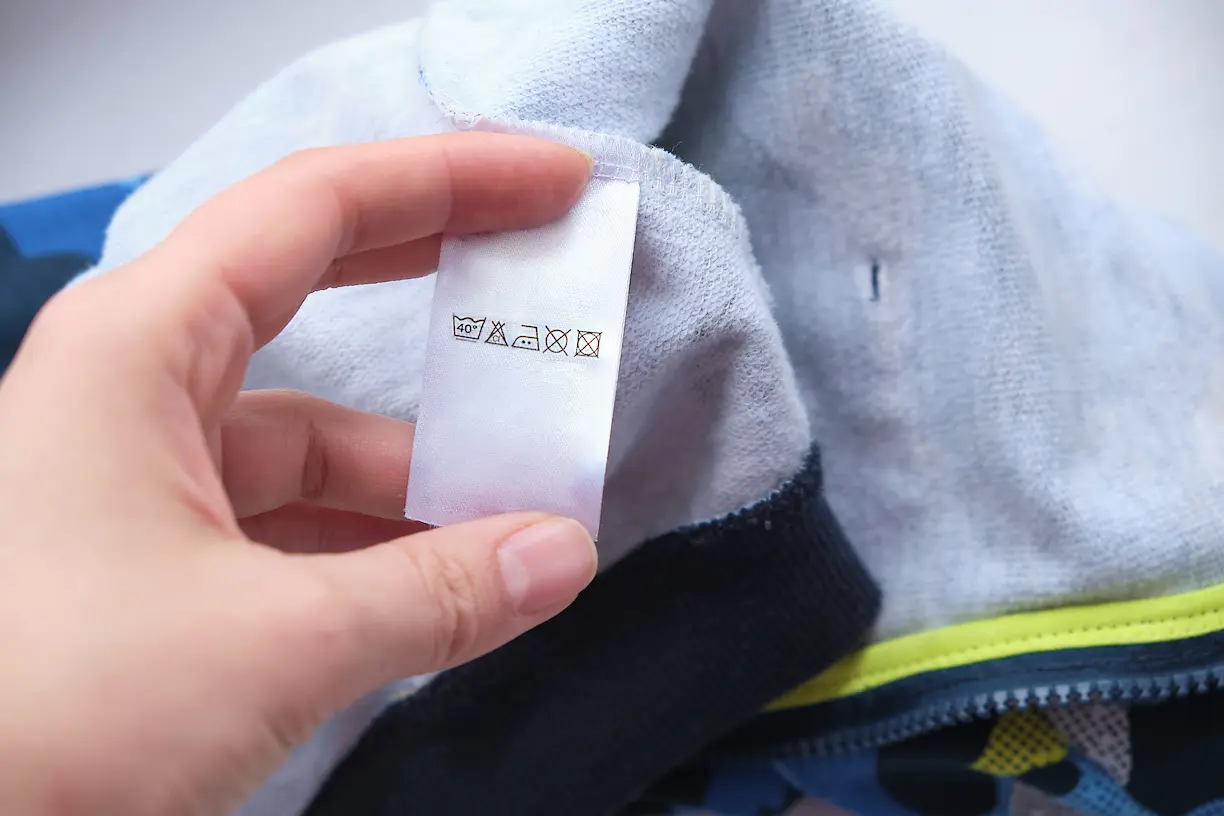
Not every OEKO-TEX-labeled item is held to the same limit values. The standard assigns every certified article to one of four classes, and the more intensive the skin contact and the more sensitive the intended wearer, the stricter the requirements.
| Class | Covers | Strictness |
| Class I | Babies and children up to 3 years, onesies, bibs, swaddles | Strictest, lowest limit values across the board |
| Class II | Products with direct, extended skin contact, underwear, t-shirts, bedding | Second-strictest, the largest single certified category |
| Class III | Products with little or no direct skin contact, outer jackets, linings | Looser limit values than Class I or II |
| Class IV | Home decoration and furnishing textiles, curtains, upholstery | Least strict, minimal skin exposure |
Here’s the part that matters more than most retail copy admits: a Class III certificate on a garment that touches skin all day is a lower bar than it looks. If a brand sells underwear or baby clothing and only says “OEKO-TEX certified” without naming the class, that’s worth a second look; a Class III certificate has not cleared the same limit values a Class I baby product is held to.
Articles can also be certified under one of two test programs: Annex 4, covering fundamental consumer-health requirements, or Annex 6, which adds substances relevant to environmental impact during production. Most consumer-facing claims are based on Annex 4.
OEKO-TEX Certification Cost: What Drives the Number
OEKO-TEX certification cost isn’t a single published fee; it depends on the testing institute, the product class, the number of articles being certified, and the country. Costs typically include a lab-testing fee per submitted material and an annual certification fee, plus the cost of any retesting if a sample fails.
For a small brand certifying a limited number of styles through one institute, initial testing and certification commonly run into several hundred to a few thousand dollars, with renewal costs recurring annually since certificates expire every 12 months. Costs scale with the number of distinct fabrics, colors, and trims being tested, which is the same fabric-and-color multiplication logic that drives sourcing minimums elsewhere in apparel production.
The Part Nobody Publishes: What OEKO-TEX Does Not Certify
This is the section competitor pages skip, understandably, since it’s not in the certifying body’s interest to narrow its own story, and retail listicles rarely do the reading required to explain it. So, plainly:
OEKO-TEX Standard 100 is not:
- An organic certification. A polyester t-shirt made entirely from virgin synthetic fiber can be Standard 100 certified. So can conventionally grown, non-organic cotton. The standard doesn’t ask where the fiber came from, only whether the finished product tests clean.
- A sustainability or environmental-impact rating. It doesn’t measure water usage, carbon emissions, wastewater treatment, or recyclability. A product can pass Standard 100 while having been dyed at a facility with poor wastewater practices, as long as none of that shows up as a harmful residue in the finished textile.
- A labor or social-compliance standard. It says nothing about wages, working hours, or factory safety. That gap matters for any brand claiming “ethically made” based on this label alone.
- A guarantee of zero chemicals. No manufactured textile is chemical-free; that’s not physically realistic. The certification means substances are below health-protective limit values, not that none are present.
Is OEKO-TEX the same as organic? No, and if a brand wants to make an organic, environmental, or labor claim, that requires a different certification entirely. Conflating the two is the exact trap this article exists to help you avoid.
OEKO-TEX vs. GOTS: What Actually Separates Them
These two show up together constantly because they both land on “sustainable” swing tags, but they answer different questions.
OEKO-TEX Standard 100 asks: is the finished product safe against a defined list of harmful substances? Any fiber qualifies, organic, conventional, or synthetic, as long as the finished article tests clean.
GOTS (Global Organic Textile Standard) asks a broader question across the entire supply chain: it requires a minimum organic fiber content (typically 70% for a “made with organic” claim, 95% for a straight “organic” claim) and layers in environmental and social criteria at every processing stage, including labor conditions OEKO-TEX doesn’t touch at all.
Put simply: OEKO-TEX tells you the destination is safe. GOTS tells you about the whole journey. Neither replaces the other, plenty of serious brands carry both because they certify different claims. A brand carrying only OEKO-TEX and marketing itself as organic or sustainable is making a claim its own certificate doesn’t support.
MADE IN GREEN and STeP: The Labels People Confuse With Standard 100
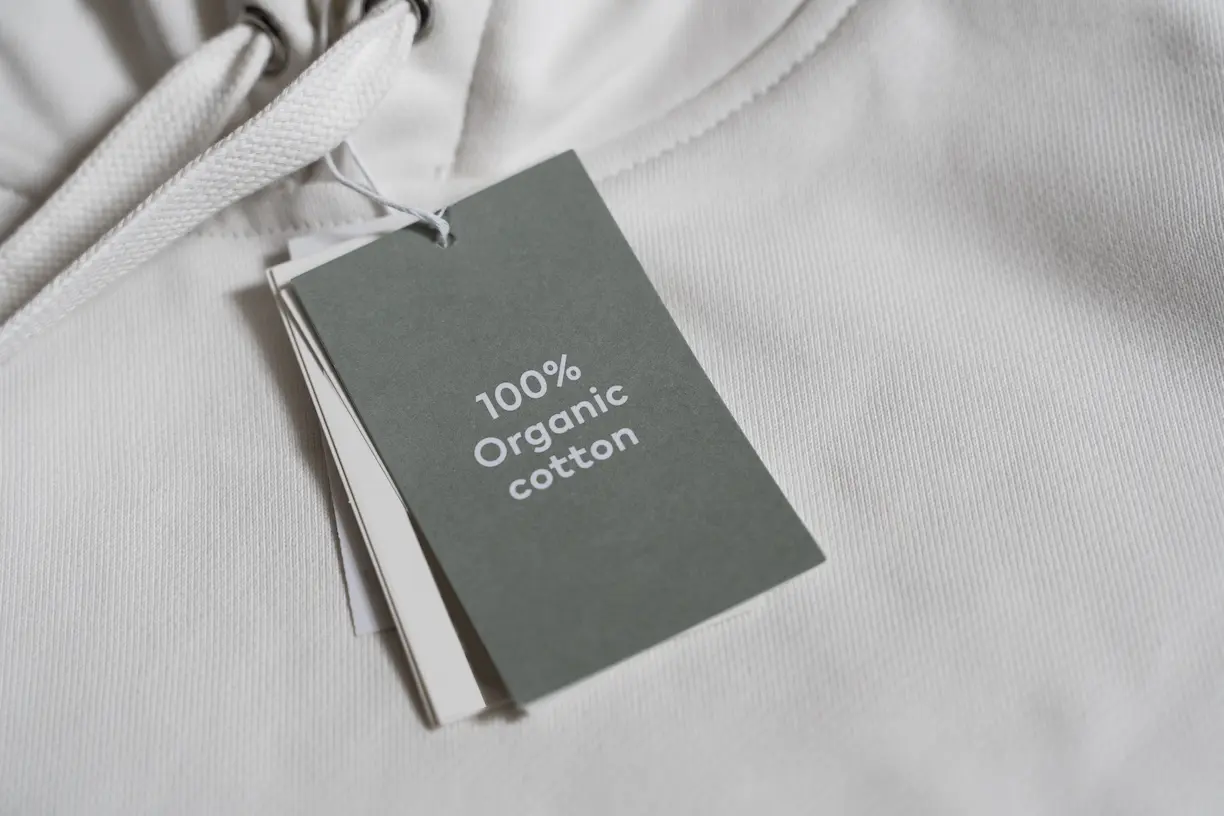
OEKO-TEX runs several distinct certifications under one brand umbrella:
- MADE IN GREEN: a traceable product label that includes Standard 100’s harmful-substance testing and adds verification that the item was made in environmentally responsible and socially safe workplaces. Each label carries a product ID or QR code for tracing origin, and like Standard 100, it’s valid for one year.
- STeP (Sustainable Textile and Leather Production): a certification for production facilities, not individual products, evaluating environmental performance, social responsibility, and health and safety at the factory level. A STeP certificate is valid for three years.
If a brand’s real story is “safe and responsibly made,” MADE IN GREEN or STeP is the more accurate certification to point to, not Standard 100 alone.
How to Verify an OEKO-TEX Certificate (Instead of Trusting the Logo)
The OEKO-TEX logo, by itself, means nothing. It’s a simple graphic, easy to copy onto a hang tag by a seller whose product was never tested or whose certificate expired years ago. A supplier should always be able to produce the actual certificate, with a certificate number and issuing institute that match the label exactly.
Here’s how to check:
- Find the certificate number, printed on the label or hang tag, sometimes as a QR code.
- Go to OEKO-TEX’s Label Check tool at oeko-tex.com, a free, public database.
- Enter the certificate number exactly as printed. It’s case-sensitive.
- Compare the record against the product in front of you on three points: company name (does the legal entity match the actual seller?), validity dates (certificates run 12 months and must be actively renewed), and scope of the certified article (a certificate for woven cotton fabric doesn’t automatically cover a knit garment from the same mill, and a certificate for one factory doesn’t extend to a different facility under the same parent company).
If any of those three don’t line up, the mark on the product isn’t backed by what it claims to be.
What a Brand May and May Not Legally Say
Standard 100 is a registered trademark with defined usage rules, not just an ethical best practice:
- The finished product must itself be certified to display the label or make the claim, not merely made from certified materials.
- Products not listed on the certificate cannot carry the label, even if made in the same factory as products that are covered.
- The certificate number and issuing institute on a swing tag must match the actual certificate on file.
- “OEKO-TEX certified” should never stand in for “organic,” “eco-friendly,” or “sustainable” on a product page; those require separate substantiation, most commonly through GOTS.
In practice: say what the certificate covers. “Tested for harmful substances under OEKO-TEX Standard 100, Class I” is accurate and specific. “OEKO-TEX certified, so it’s sustainable” is not something the certificate supports, and it’s the exact language that creates greenwashing exposure.
A Quick Self-Check for Your Own Product Pages
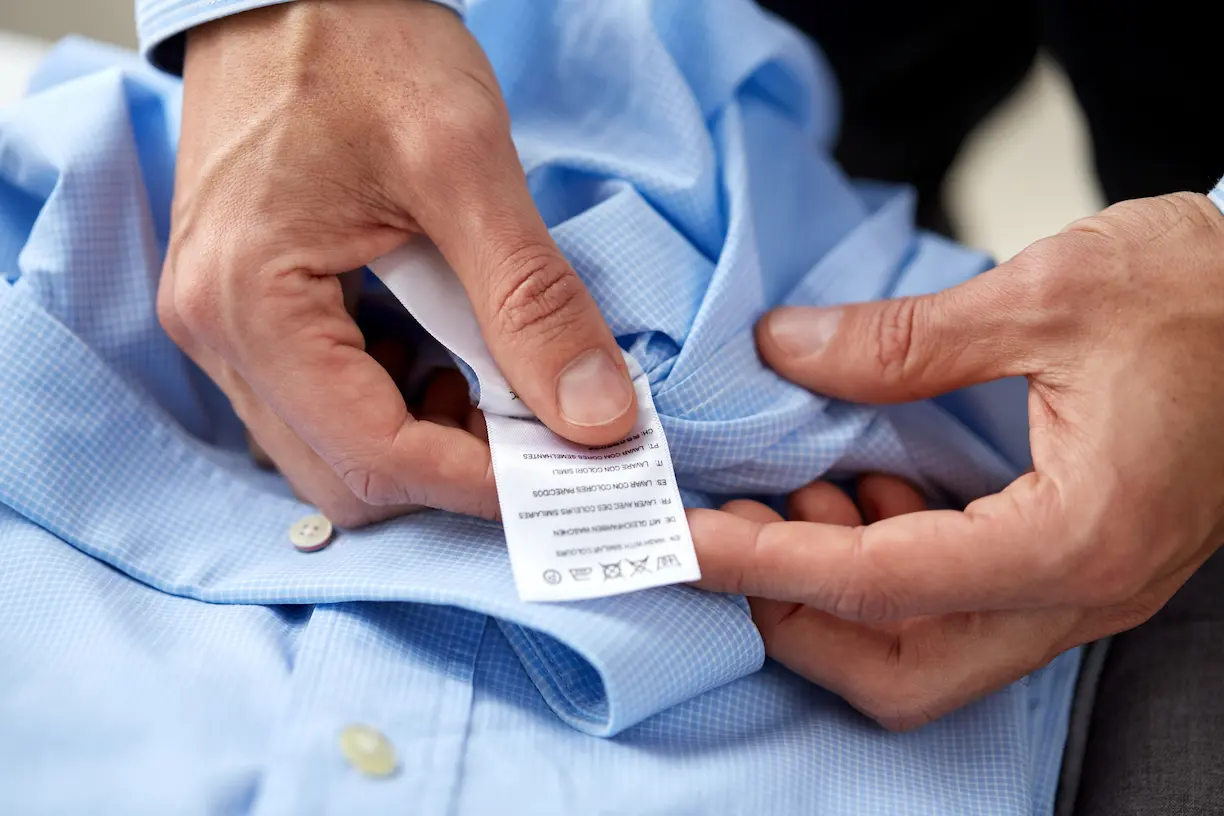
Run any current claim through this before it goes live:
- Does the certificate number appear anywhere near the claim, or only the logo?
- Have you personally verified that number on OEKO-TEX’s Label Check recently?
- Does the certified product class match the actual product, Class I for anything marketed to babies?
- Are you using “organic,” “sustainable,” or “eco-friendly” near the OEKO-TEX mention, and if so, is that backed by a different certification?
- Does the certificate’s article scope match the specific fabric on that exact page, not just a related item from the same supplier?
If any of those don’t hold up, that’s a page worth revisiting before a regulator or a skeptical customer does it for you.
Get It Right, Then Say It Plainly
OEKO-TEX Standard 100 is a genuinely useful signal, once it’s read for what it actually is. It confirms a specific, certified article passed chemical-safety testing under a defined product class. It confirms nothing about organic sourcing, environmental impact, or labor conditions and treating it as shorthand for any of those is how honest brands slide into greenwashing without meaning to.
Name the class. Verify the number. Keep sustainability claims backed by the certification actually built for them.
Sourcing garments that need to hold up to this level of scrutiny is a big part of what we do at Affix Apparel; explore our OEKO-TEX-certified manufacturing options to see what’s already backed by a verifiable certificate.
Frequently Asked Questions
Does OEKO-TEX mean organic?
No. OEKO-TEX Standard 100 tests a finished textile for harmful substances; it says nothing about whether the fiber was grown organically. A conventional-cotton or fully synthetic product can pass Standard 100. For an organic claim, look for GOTS certification instead.
What does OEKO-TEX Standard 100 actually test for?
It tests finished textile products, including thread, trims, prints, and coatings, against a catalogue of over 1,000 substances that could harm human health, including azo dyes, formaldehyde, heavy metals, pesticides, and phthalates, with limit values that vary by product class.
How do I verify an OEKO-TEX certificate?
Take the certificate number printed on the product’s label or scan its QR code, then enter it at OEKO-TEX’s free public Label Check tool. Confirm the company name, validity dates, and certified article scope all match the product in front of you.
What is the difference between OEKO-TEX and GOTS?
OEKO-TEX Standard 100 certifies chemical safety of the finished product only, regardless of fiber type. GOTS certifies organic fiber content plus environmental and social practices across the entire supply chain, including labour standards OEKO-TEX doesn’t cover.
Can I put the OEKO-TEX logo on my product page?
Only if the specific product is listed on a currently valid Standard 100 certificate, not merely made from certified components or from the same supplier as a certified item. The certificate number and issuing institute must match your actual certificate, and the claim shouldn’t be paired with unrelated sustainability language the certificate doesn’t support.


