

Summary
Minimum order quantity clothing at 50 pieces exists because fabric roll minimums, dye lot minimums, and machine set-up costs don’t disappear just because your order is small; they get divided across fewer units, which is why a 50-unit run costs more per piece than a 1,000-unit run of the same design. That premium is the rational price of being able to test a design before committing real capital to it. This guide shows the actual unit-cost curve and how to use a low MOQ strategically instead of being surprised by it.
The Honest Part Nobody Tells You
Most brands advertising a low minimum order quantity of clothing offer to stop at the headline number. “MOQs as low as 50 pieces” sounds like pure upside, no catch, no fine print. Then a founder builds a retail price around a 50-unit quote, assumes it’ll match what a 1,000-unit run would cost per piece, and the math doesn’t work when the invoice arrives.
This isn’t a hidden fee or a bait-and-switch. It’s a genuine, rational trade-off that almost nobody explains honestly: a 50-unit run costs more per piece than a larger one, and that premium buys you something real, the ability to test a design before you’ve committed serious capital to it. Let’s talk about why the cost exists, what it actually looks like, and how to use a low MOQ the way it’s meant to be used.
Why MOQ Exists in the First Place
Before the cost conversation makes sense, it helps to know what’s actually driving the number.
Fabric Roll Minimums
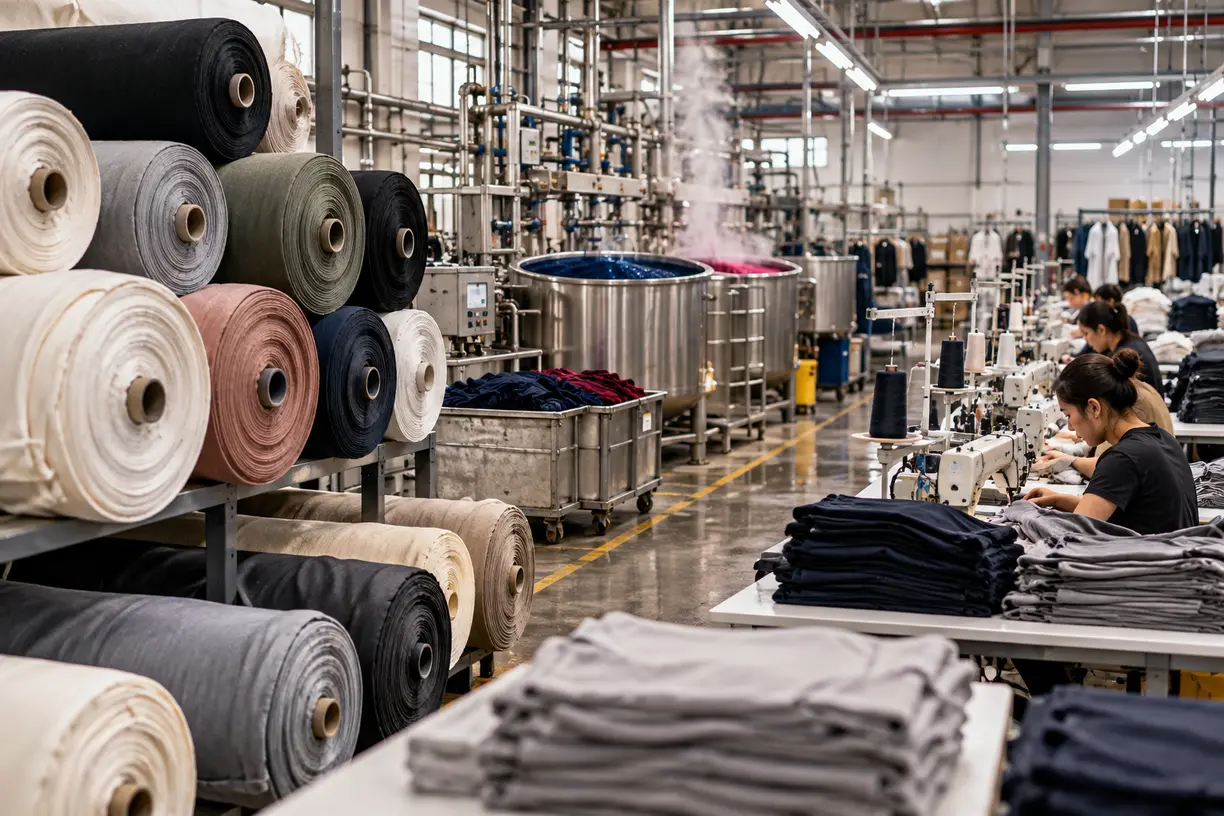
Fabric is knitted or woven in efficient, large-batch runs, not custom-made to order in small quantities. Reconfiguring a knitting machine for your specific spec, then switching it back for the next client, costs the mill real setup time. That cost gets divided across however many units your order actually contains.
Dye Lot Minimums
A dye lot is a single batch of color run in a vat sized for efficient volume. A dye house may need a meaningful minimum yardage just to justify running the vat at all, a threshold that doesn’t shrink because your specific order is small.
Set-Up Amortization
Setting up a sewing line, threading, tension calibration, and pattern layout takes real hours whether you’re producing 50 units or 5,000. That labor cost has to be spread, or amortized, across however many units run through that particular setup.
None of these costs disappear at low volume. They just get divided across fewer pieces, which is exactly why the per-unit price goes up, not because a factory is padding margin on small orders, but because the fixed costs behind every order are the same regardless of size.
The Unit Cost Curve: 50 / 200 / 1,000
Here’s the shape of that trade-off, illustrated on a representative garment:
| Order Quantity | Indicative Unit Cost | What’s Driving the Price |
| 50 units | Highest tier | Setup and fabric costs are spread across the fewest possible units. |
| 200 units | ~15–20% lower | The fabric roll was utilized more efficiently, and the setup cost spread further. |
| 1,000 units | ~30–40% lower | Full fabric roll efficiency, single dye lot fully utilized, minimal setup cost per unit |
This curve isn’t a factory being generous at higher volumes; it’s the same fixed costs being divided across more pieces. Understanding that mechanism is what lets you evaluate a 50-unit quote honestly, instead of assuming it should look like a fraction of the 1,000-unit price.
The premium at 50 units is the price of information. You’re paying more per piece specifically so you don’t have to guess right on 1,000 units before you’ve sold a single one.
Is a Low MOQ More Expensive? Yes, And Here’s What It Buys You
The honest answer to “is low MOQ more expensive? ” is simply yes. What matters is what that extra cost actually purchases.
Consider the alternative: committing to 500 units of an unproven design at a lower unit price, only to discover the fit is off, the color doesn’t resonate, or the size curve is completely wrong for your audience. Dead stock at 500 units, sitting unsold, erases far more margin than the entire cost premium of testing at 50 units would have. The math only looks bad on a spreadsheet that ignores the very real risk of a large order that doesn’t sell, which is precisely the trap that catches founders quoted 300–500 pieces elsewhere when they can realistically move 50.
A rational way to think about it: the 50-unit premium is a small, known cost. A failed 500-unit bet is a large, unknown one. Paying slightly more per piece to know before you scale is not a bad deal; it’s insurance priced fairly.
Is MOQ Per Style or Per Color?
This is worth clarifying before you plan a test run, because it directly affects how far your budget stretches. MOQ is typically calculated per style, per colorway, not as one flat number across your whole order. A 50-unit minimum on one design in one color becomes 100 units if you want it in two colors; each colorway effectively resets the dye lot and fabric requirement.
This matters enormously for how you structure a test: two colorways of one style will cost roughly double one colorway of that same style, not a marginal increase. Plan your test budget around that multiplication, not around the headline 50-unit number alone.
Stock Fabric vs. Custom Dye | The Lever Most Founders Miss
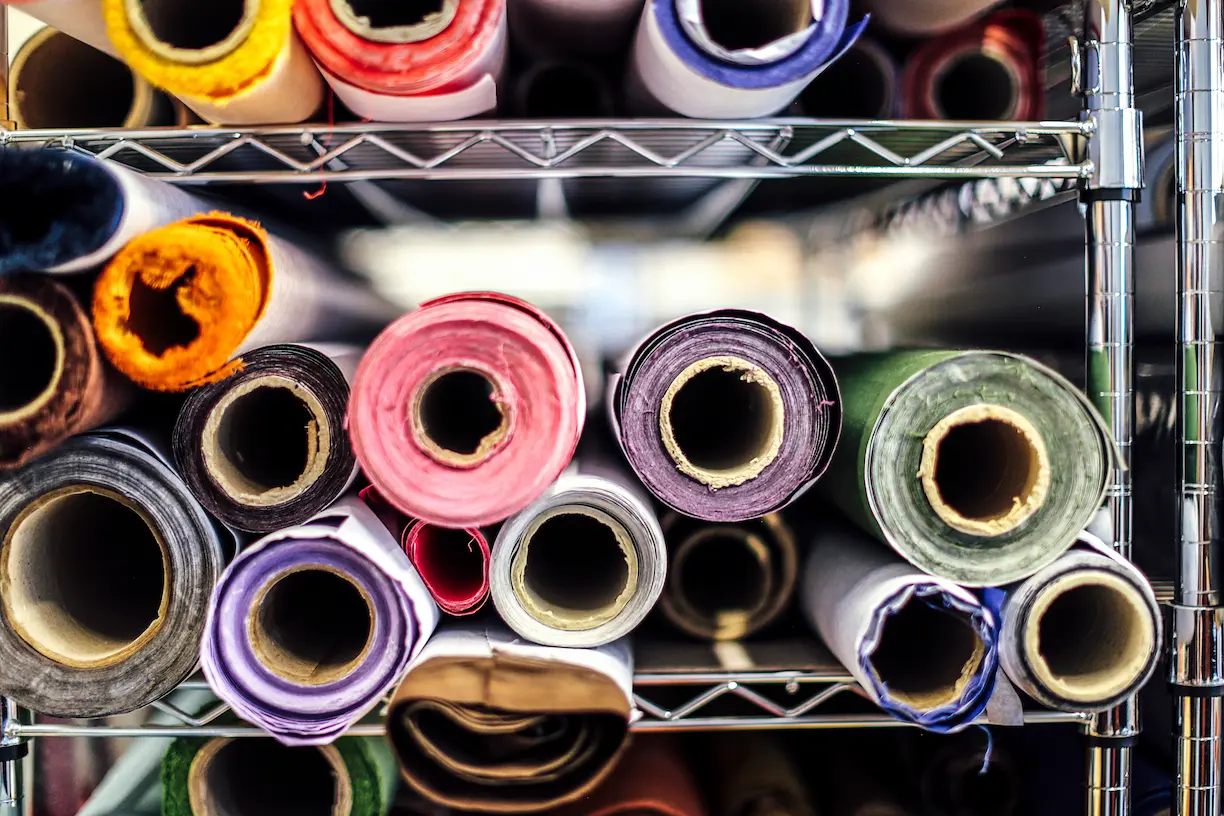
Here’s a genuinely underused strategy for keeping a low-MOQ test run both affordable and fast: using stock fabric already dyed to an existing color, instead of requesting a custom dye lot.
Custom dye requires meeting that dye lot minimum discussed above, which adds cost and lead time even at low unit counts. Stock fabric, pre-dyed material a factory already holds, skips that requirement entirely, because the dye lot minimum was already met when the mill produced that fabric in bulk for general use.
The practical trade-off: stock fabric limits your color choices to what’s already available, while custom dye gives you an exact brand color at a real cost and lead-time penalty. For a genuine first-round test, using stock fabric in a close approximation of your target color is often the smarter move; you’re testing fit, fabric hand, and design appeal, not proving out an exact brand color yet. Save the custom dye lot for the style that’s already validated and ready to scale.
A Test-and-Scale Plan for Your First Collection
Here’s how to actually use a low MOQ strategically, rather than just taking advantage of the low number without a plan behind it.
Round one: test width, not depth. Rather than ordering 50 units deep in one style, spread your first order across two colorways of your strongest design, using stock fabric where possible to control cost. You’re not trying to sell out; you’re trying to learn which color resonates and whether the fit holds up on real bodies.
Validate fit before anything else. A 50-unit run is cheap enough to get genuinely wrong and recover from. If the fit isn’t right, this is the affordable moment to find that out, not after committing to 500 units built on the same pattern.
Gather real sell-through, not guesses. Sell-through rate, units sold divided by units received, over your first few weeks, tells you more than any forecast. Which colorway moved faster? Did a specific size sell out disproportionately? This data is worth more than any assumption you started with.
Scale the proven winner, not the whole range. Once sell-through data identifies your actual best performer, move that specific style and color into a larger run, now justified by real demand and now worth the investment in a custom dye lot if the stock color was only ever a placeholder for testing.
This test-and-scale approach is exactly why a genuinely low MOQ matters for a clothing manufacturer for startups; it turns your first order into a controlled experiment instead of an expensive bet on an unproven idea.
What This Looks Like for a Full Range
If you’re building beyond a single style, the same logic extends across a small first collection, a couple of core pieces through cut and sew clothing, and tested narrow and shallow before committing to depth. And if you’re weighing your own label against sourcing a product to sell under someone else’s, the same test-and-scale discipline applies. Whether you’re building your own brand or exploring private labeling, the unit-cost curve doesn’t change based on whose name ends up on the label.
Pay for the Test, Not the Guess
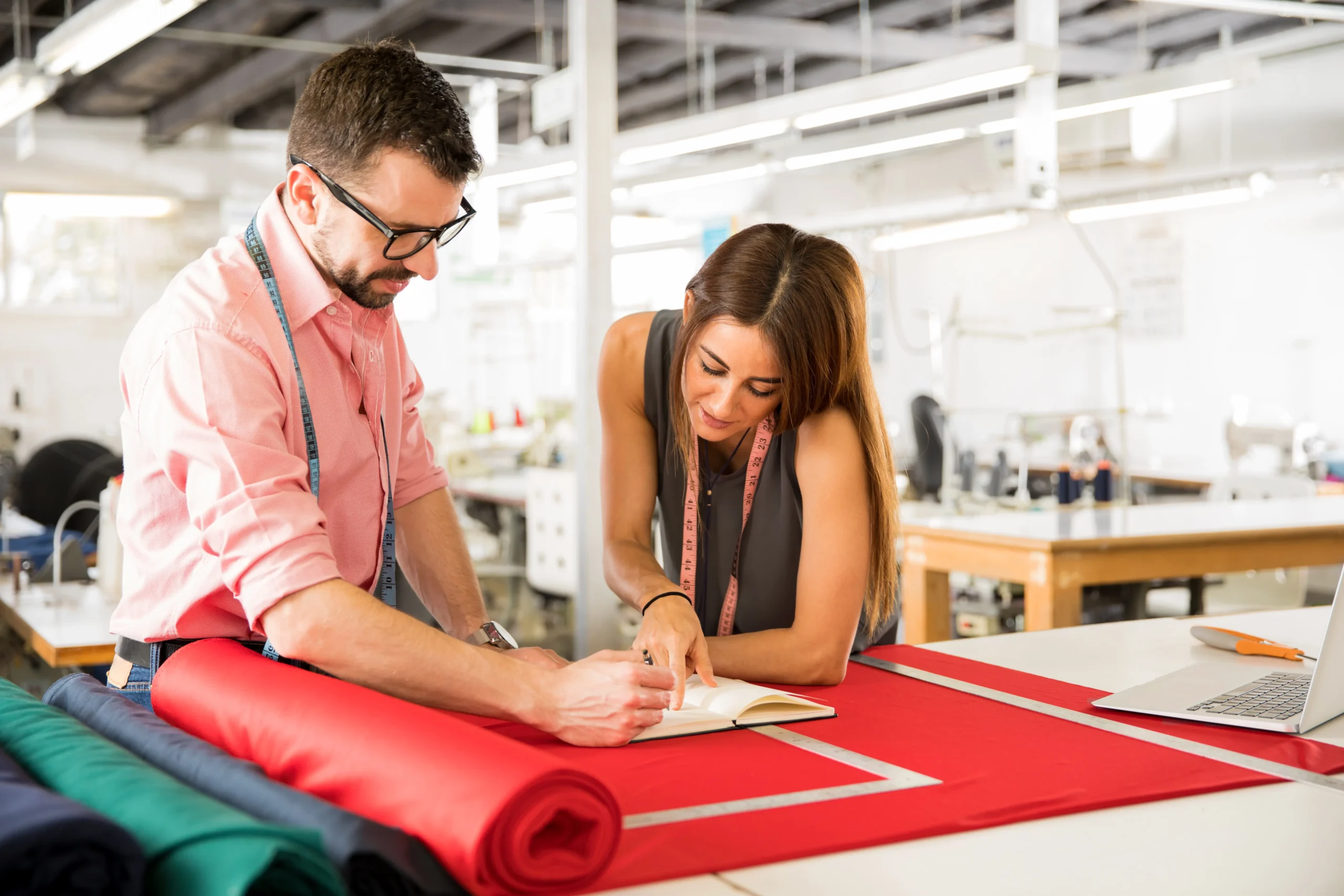
A 50-unit MOQ isn’t a discount, and it isn’t a gimmick; it’s a genuinely different product than a 1,000-unit run, priced honestly for what it actually delivers: the ability to be wrong cheaply instead of expensively. The founders who get burned aren’t the ones who paid a premium to test at 50 units. They’re the ones who assumed that premium didn’t exist, priced their retail line on a false assumption, and got surprised by an invoice that reflected the real economics all along.
Know the curve, use stock fabric to keep your first test lean, and let real sell-through, not a guess, decide what earns a bigger order next.
Ready to test properly instead of guessing? Start a first run with Affix Apparel’s 50-unit MOQ, priced honestly from the first quote.
Frequently Asked Questions
What is MOQ in clothing manufacturing?
MOQ, or minimum order quantity, is the smallest number of units a manufacturer will produce in a single run, typically calculated per style and per colorway. It’s driven mainly by fabric roll minimums, dye lot minimums, and machine set-up costs, not by sewing capacity.
Is a low MOQ more expensive per unit?
Yes. A 50-unit run costs more per piece than a 1,000-unit run of the same design, because fixed costs, fabric setup, dye lot minimums, and sewing line setup get divided across fewer units. That premium is a rational price for being able to test a design before committing to a larger, riskier order.
Is MOQ per style or per color?
Almost always both, stacked together. A 50-unit minimum applies per style, per colorway, so two colorways of the same design typically means 100 units total, not 50, which is worth planning for before setting a test-run budget.
How many units should I order for a first run?
Enough to meet MOQ across a small, deliberately narrow test, commonly one style in two colorways rather than several styles at once, so you can gather real sell-through data without overcommitting capital. Depth should come after that data confirms which specific style and color are actually working.
Can I order 50 pieces of clothing?
Yes, with a manufacturer whose MOQ genuinely supports it. Expect a higher per-unit cost than a larger order would carry, and consider using stock fabric rather than a custom dye lot for a first test run to keep both cost and lead time down while you validate fit and demand.


